
What to watch in India’s EV market: five questions for the year ahead
Forecasts about India’s EV market usually focus on sales totals: how many vehicles were registered, which brand led, which segment grew. Those numbers matter, but for India’s EV market they rarely help someone deciding whether to buy a fleet, build a charging site or back a startup. For those decisions, five questions matter more than the headline figure. This is what we are watching, and why.
1. How much of the demand depends on incentives?
Central and state support has changed more than once, and every change moves the economics for buyers and operators. The useful question is not whether incentives exist but how much of today’s demand would survive if they were reduced. A vehicle that only makes sense with a subsidy is a different business from one that makes sense without it.
Our view is that India’s EV market becomes durable when running costs, not purchase support, carry the decision. Watch for operators who publish their cost per kilometre both with and without incentives. That single comparison says a lot.
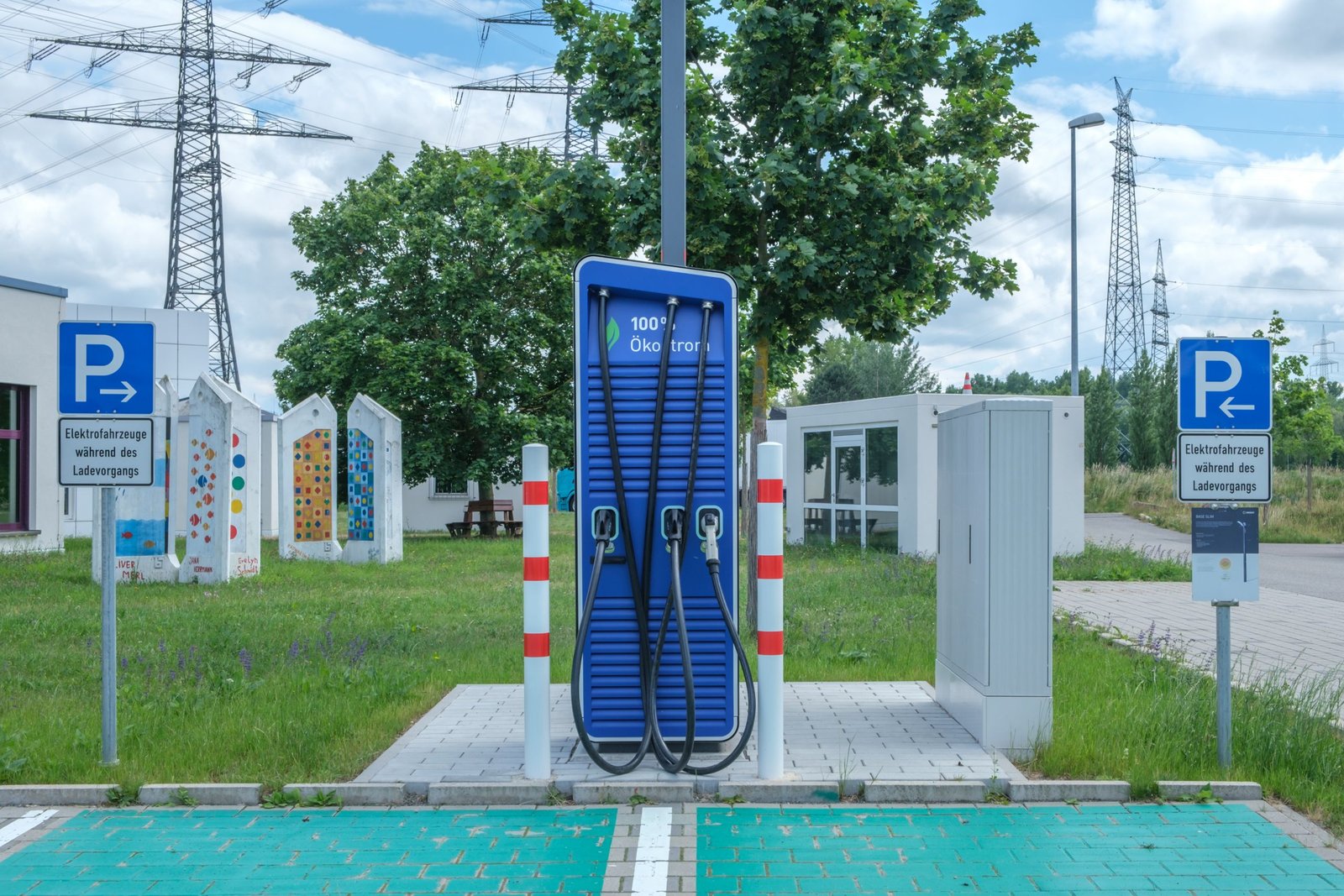
2. Is charging usable, or only listed?
Announced charger counts are easy to publish and hard to interpret. A charger counts only if it works, fits the vehicle, can be paid for without friction and sits where people actually need it. For two-wheeler and three-wheeler users, who often cannot charge at home, this is the real bottleneck.
We will favour uptime, failed sessions and real waiting times over totals, and we will say plainly when those figures are not available. A network that publishes them is telling you something good about itself.
3. Which fleet segments are scaling, and on what terms?
Rental, delivery and last-mile operators buy differently from households. They care about utilisation, downtime and financing, and they sign contracts that split risk between operator, owner and manufacturer. The segments that scale will be those where these contracts are clear and fair.
The strongest signal is repeat business. An operator who keeps renewing and expanding tells you more about the product than any launch announcement.
4. Who can fund growth, and for how long?
Funding announcements make strong headlines and weak evidence. Whether a company has a sustainable business depends on unit economics, not on the size of a round. The useful details are what the money is for, what type of funding it is and what the company discloses about vehicles deployed and how often they are used.
In India’s EV market, the gap between announced funding and operating performance is where most of the useful reporting lies. That is where we intend to spend our time.
5. What do standards and regulation require?
Connector standards, battery safety rules and registration requirements decide which vehicles and chargers can work together. When rules change, they can strand investment on one side of the market. Operators should treat standards as a business risk, ask suppliers in writing which standard a product follows and find out what happens if it changes.
What these questions have in common
Each of the five asks the same thing in a different form: is this working on its own terms, or only on the strength of an announcement? Markets tend to look strongest in press releases and weakest in operations. The people who do well in India’s EV market will usually be those who measure operations first.
A simple way to read the headlines
When you read the next big announcement about India’s EV market, run it through three filters. First, is it about demand, supply or infrastructure? Each has different bottlenecks. Second, is it a plan or a result? Plans are cheap, and results are checked by customers. Third, who benefits if you believe it? Announcements are written for investors, regulators and customers, and the interests of each shape the wording.
These filters are not cynical. They are the habits that separate useful reading from noise, and they work whether the news is good or bad. A strong result reported plainly is still strong. A weak plan dressed in confident language is still weak.
The direction of travel
None of this means the outlook is negative. The direction of travel in India’s EV market has been towards more vehicles, more operators and more investment. The point is that the quality of that growth varies, and the five questions above help separate growth that lasts from growth that does not.
What we will do about it
We will return to each question with reporting and data, and we will publish trackers so that you can check our work. Where we think a claim is weak, we will say why, and where we do not know, we will say that too.
If you operate in India’s EV market and see something different on the ground, we want to hear it. Tell us through the Contact page, and subscribe to The Volt Brief for a weekly summary of what mattered.
Volt Newsroom publishes news, analysis and explainers for general information only. It is not financial, legal, tax or insurance advice. Policies, prices and figures change, so check official sources before acting. Opinions in signed analysis are the author’s own.