
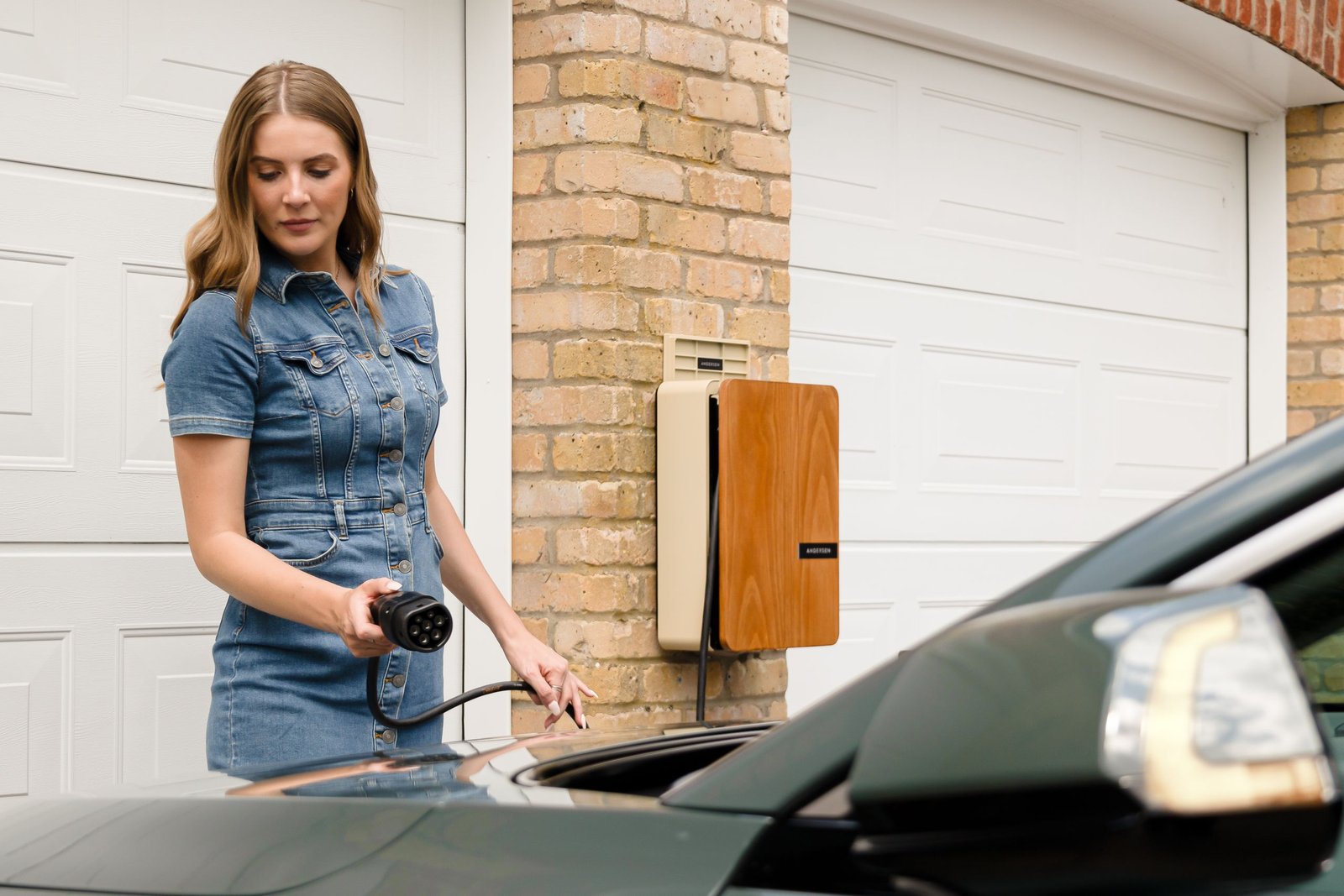
A charger on the map is not always a charger you can use
An app or a map may show hundreds of chargers near you. Many will not help when you arrive. Each listing is a promise, and an EV charger only counts if it keeps that promise: it works, it fits your vehicle, it is fast enough, you can get in, you can pay and the price is acceptable. Here are six checks that separate a usable charger from a pin on a map.
1. Is it working?
Listings can be out of date. An EV charger may be offline, faulty or waiting for repair, and the map may not show it. Recent user reports are usually more reliable than the listing itself. If a network publishes uptime, treat it as a mark in its favour. If it does not, treat that as a gap.
2. Does the connector fit your vehicle?
Not every EV charger suits every vehicle. Connector types, charging modes and communication between car and charger vary, and light vehicles such as two-wheelers and three-wheelers have often used different arrangements from cars. A charger that is physically present can still be useless to you. Check compatibility in writing with the vehicle maker or the charging network before relying on it.
3. How fast is it?
Charging speed depends on both the EV charger and the vehicle, and the slower of the two sets the limit. A slow charger can leave a working vehicle waiting for hours. For a commercial vehicle, hours of waiting is lost income. Match the charger’s output to how long your vehicle will actually be parked.
4. Can you get to it?
Some chargers sit inside private premises, need a membership, have limited opening hours or are blocked by parked vehicles. An EV charger you cannot reach at the hour you need it does not count. Look for location notes and opening hours, and check them against your routine.
5. How do you pay?
Many networks require a specific app, account or prepaid balance. That is manageable at home and frustrating on the road. Before you rely on a network, set up the account and confirm that payment works. Finding out at an empty charger with a flat battery is the worst moment to discover a login problem.
6. What does it cost?
EV charger pricing varies by network, charger type and sometimes time of day. Compare the price per unit of energy and any session or idle fees, not only the headline rate. For operators, the true figure is cost per kilometre including waiting time.
What this means for operators and buyers
For a fleet, usable charging is an operations question, not a count. Track uptime, failed sessions and time spent waiting at each site. Those three numbers will tell you more about your charging than the number of points on a map.
For individual buyers, the question to ask is simple: where will I charge on a normal week, and does that EV charger work for my vehicle? If you cannot name one reliable place, think again before buying.
Why listings go wrong
Charging data comes from many sources: operators, apps, user reports and sometimes automatic feeds. These sources update at different speeds, and nobody is forced to keep a listing current. A charger can fail on Monday and still appear available on Friday. Some networks keep their own status accurate and others do not share it with third-party maps. A map is a guide to where an EV charger was installed, not a guarantee that it works now.
How to check before you leave
- Open more than one app and compare what each says.
- Look for recent reviews or reports, and note their dates.
- Check the connector type and charging mode against your vehicle’s manual.
- Confirm opening hours and whether you need permission to enter.
- Have a backup within reach in case the first charger fails.
Treat the first charger on your route as a plan, not a certainty.
What good looks like
A reliable charging network publishes its status in real time, shows connector types and power clearly, accepts several payment methods and responds when a user reports a fault. When you find one, note it and use it. Over time, these networks will earn the trust that listings alone cannot give, and reporting on EV charger reliability should reward them.
What we will track
As we build our Charging and Swapping coverage, we will favour measures of reliability over measures of quantity, and we will say clearly when data is missing. We would rather tell you honestly that a charger worked on the day we checked than claim that it always works. If you operate chargers or depend on them, tell us what you see through our Contact page.
Volt Newsroom publishes news, analysis and explainers for general information only. It is not financial, legal, tax or insurance advice. Policies, prices and figures change, so check official sources before acting. Opinions in signed analysis are the author’s own.