EV charging connectors and standards in India: a starter guide
Not every electric vehicle can use every charger. Three things decide what works with what in EV charging connectors: the physical plug, the electrical way energy is delivered, and the way the vehicle and charger talk to each other. EV charging connectors are the part you can see, but they are only one piece. This starter guide explains the basics so you can ask the right questions before you buy a vehicle or build a charging site.
AC and DC charging
Electric vehicles store energy in a battery as direct current. Grid electricity is alternating current. Charging can happen in two ways. With AC charging, the vehicle’s own onboard charger converts the power, so the speed is limited by that onboard unit. This is slower and is common at homes and workplaces.
With DC fast charging, the conversion happens in the charging equipment, which feeds direct current to the battery. This can be much faster and is usually found at public hubs. Which one a vehicle can accept depends on how it was designed, and some vehicles accept only one.
What a connector does
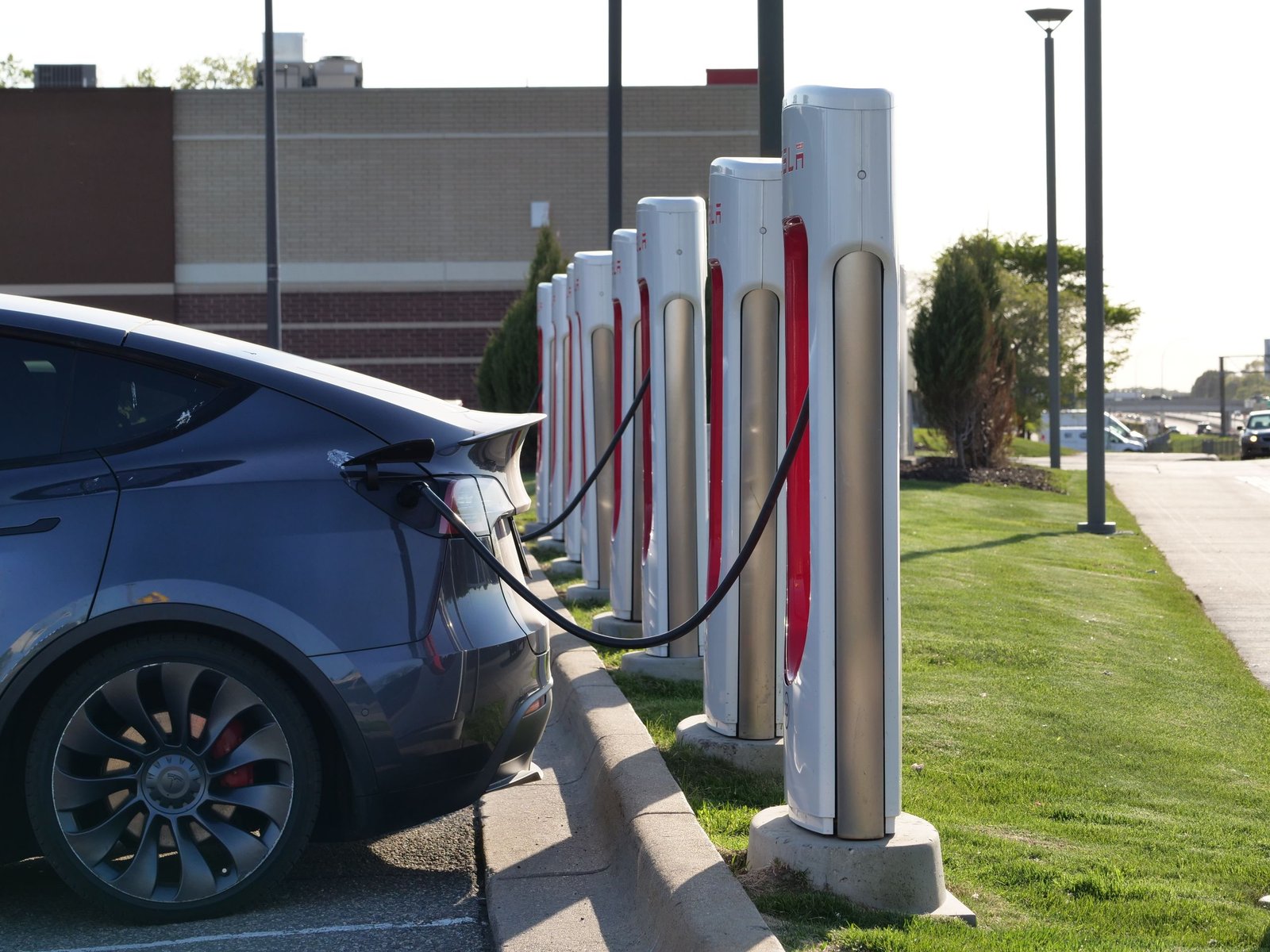
EV charging connectors are the plug and socket pair between charger and vehicle. They differ in shape, in the number and arrangement of pins and in the power they can carry. EV charging connectors made for one type of vehicle will not fit another, and adapters are not always available or safe. Cars and light commercial vehicles have tended to use a small number of common designs. Two-wheelers and three-wheelers have often used different ones, and some have used designs specific to a manufacturer.
Communication matters too
A charger and a vehicle exchange information before and during charging: what the battery can accept, how much power to deliver and when to stop. If they do not use the same communication method, a connector that fits physically may still refuse to charge. This is why a charger that looks right can still fail.
Why standards matter
Standards are shared rules for EV charging connectors, power levels, safety and communication. When a market follows common standards, any compliant vehicle can use any compliant charger, and operators can build networks with confidence. When it does not, operators need several kinds of equipment and buyers risk owning a vehicle that few chargers support. Standards also change, so ask which version a product follows.
Standards also change. A connector that is common today may be replaced, and rules can be revised, so it helps to ask which version of a standard a product follows and who supports it later.
Why this matters for buyers
- Confirm in writing which charging method and connector the vehicle uses.
- Check whether a home charger is included and what it needs to run safely.
- Find out which public networks support your vehicle, and test one before you depend on it.
Why this matters for operators
A mixed fleet may need more than one type of charger, which raises installation and maintenance costs. Before buying equipment, check which standard its EV charging connectors follow, whether it can be upgraded and what happens if requirements change. Ask suppliers for these answers in writing, and confirm who pays if equipment becomes obsolete.
A short list of questions to ask
- Which connector and charging mode does this vehicle or charger use?
- Which standard and which version does it follow?
- How does the charger communicate with the vehicle?
- What speed can the vehicle actually accept?
- Who supports it if the standard changes?
Common mistakes with connectors
- Assuming that a plug that fits is a plug that works.
- Buying a charger on price without checking the standard.
- Treating adapters as a permanent solution.
- Ignoring the vehicle’s maximum charging speed when choosing equipment.
- Forgetting that standards and rules can change.
Each of these leads to avoidable cost. The safest habit is to ask for the specification and compatibility in writing and keep a copy.
How to think about the future
Equipment installed today may need upgrades later, and the preferred connector may shift as vehicles, batteries and rules change. For buyers, the practical response is to choose products that follow widely supported standards and to ask about upgrade paths. For operators and site owners, it is to design sites that can accept new equipment without rebuilding everything. Understanding EV charging connectors well enough to ask these questions is the best protection against being stranded.
Keep checking official sources
Standards and regulations for charging equipment are set and revised by official bodies, so confirm current requirements against the official documents before you invest. We will update this guide when requirements change and show the date of each update. If you spot something that is out of date, tell us through the Contact page and we will correct it.
Volt Newsroom publishes news, analysis and explainers for general information only. It is not financial, legal, tax or insurance advice. Policies, prices and figures change, so check official sources before acting. Opinions in signed analysis are the author’s own.